- Real Estate
- Investment
- Buying Guide
- Semi-Detached
Semi-Detached vs Detached: Is the Price Difference Worth It in 2026?
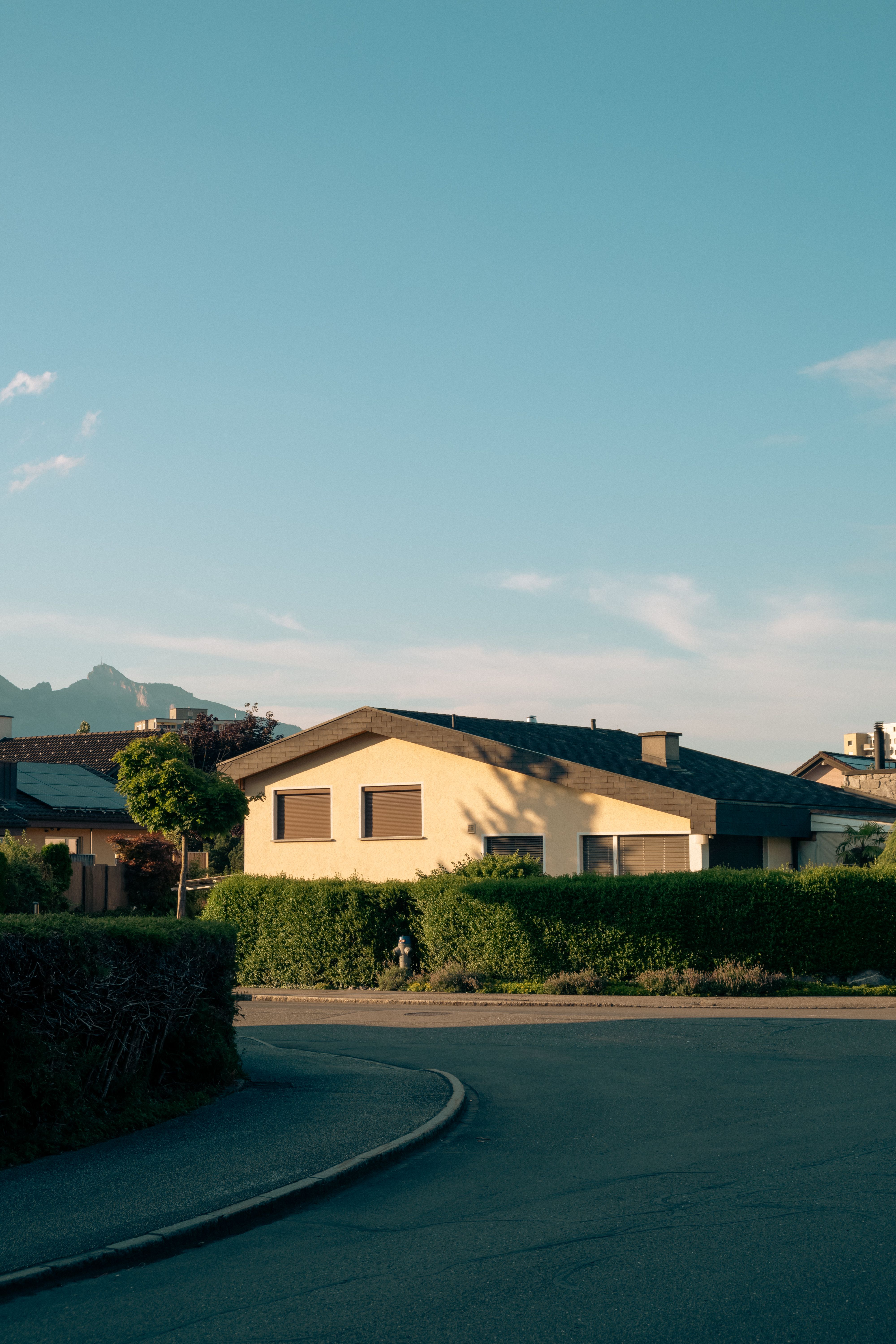
Semi-Detached vs Detached: Is the Price Difference Worth It in 2026?
If you've been searching for a home in Canada lately, you've probably stared at two listings side by side and wondered why one costs $150,000 more than the other when they look almost identical. That gap usually comes down to one factor: whether the house shares a wall with a neighbour.
The question of semi-detached versus detached has shifted in 2026; it is not a new question, buyers have debated over this debacle over many years. Rate changes over the past two years have reshuffled what buyers can actually afford, and the lasting effects of remote work mean more buyers need a home that functions as an office five days a week. All of that should be taken into account when thinking about the price gap.
This post walks through both sides, with real numbers, so you can decide whether the premium is worth it for your situation.
What These Terms Actually Mean
A semi-detached house shares one exterior wall with a neighbouring property. That's the only structural connection; You own your unit outright, including the lot, and you're fully responsible for your own maintenance. There's no condo corporation, no shared amenities, and typically no legal restrictions on how you use your space. Buyers sometimes confuse semi-detached homes with duplexes: a duplex is a single building divided horizontally or vertically and owned by one person who rents to tenants. A semi-detached home means you and your neighbour each own your respective side independently.
A detached house shares no walls with any other structure. Your four walls belong entirely to your lot.
The Case for Semi-Detached
The most obvious advantage is price. In the Greater Toronto Area, a semi-detached typically runs $150,000 to $250,000 less than a comparable detached home in the same neighbourhood. In Mississauga and Brampton, that gap can stretch further. For a first-time buyer or someone moving up from a condo, that difference represents a good amount of purchasing power.
That gap also affects your carrying costs in ways that compound over time. Property taxes are usually lower on a smaller assessed value. Heating a semi runs cheaper because one wall faces interior space rather than cold air. Maintenance on the exterior is reduced because you have three sides to worry about, not four, and a shared wall typically means a shared roofline on that side, which cuts some repair exposure. These aren't dramatic savings on their own, but they add up across a decade of ownership.
Location is the other big factor since in most Canadian cities, a semi-detached budget gets you closer to transit, schools, and walkable neighbourhoods than a detached budget does. Paying $900,000 for a semi in Leslieville is a different life than paying $900,000 for a detached home in a car-dependent suburb. It’s not like there is a wrong choice, however, buyers sometimes forget that the semi isn't just a cheaper version of the detached. Oftentimes you trade square footage for location quality.
The Case for Detached
Privacy is the reason most buyers pay the detached premium, and the data reflects it. Privacy is one of the highest-volume related terms in this argument. Sound travels through a shared wall, particularly in older homes. You might never have a problem with a given neighbour, however you have no guarantee of who buys or rents next door in the future.
For families with young children, the noise concern runs in both directions: you worry about disturbing them as much as about being disturbed. For buyers who work from home in roles that require phone calls or video meetings throughout the day, a shared wall adds a variable that they can’t control, and may not be worth the cheaper price.
Beyond noise, detached ownership gives you more space over what you do with the property. You can build an addition on either side, add a garden suite or secondary unit (in many municipalities). You can renovate the property without any concern for how your work affects a shared structural element. The land is yours to use as local bylaws permit.
Detached homes also carry stronger long-term appreciation in most Canadian markets. Land is finite, detached lots are not being created, and demand for fully independent ownership has historically been strong even through downturns.
The Numbers: What the Price Gap Actually Looks Like in 2026
Here's how average detached house prices break down by city this year, and roughly how they compare to semi-detached in the same areas:
| City | Avg Detached Price | Avg Semi-Detached Price | Approximate Gap |
|---|---|---|---|
| Toronto | ~1.55M | ~1.20M | ~$350K |
| Vancouver | ~2.1M | ~1.45M | ~$650K |
| Calgary | ~720K | ~530K | ~$190K |
| Mississauga | ~1.35M | ~1.05M | ~$300K |
| Brampton | ~1.10M | ~880K | ~$220K |
Figures are approximate market averages and vary significantly by neighbourhood and property condition.
The ROI question is harder to answer cleanly, because it depends on holding period, local market conditions, and what you do with the money you save. If you buy a semi and invest the $200,000 price difference rather than putting it all into a larger mortgage, you're not necessarily behind the detached buyer after 10 years. But if the detached home appreciates at a meaningfully higher rate, the compound effect can close that gap.
Detached ownership means a larger lot to maintain, higher heating costs per square foot in most configurations, and full exposure to every exterior repair. Semi-detached ownership occasionally means navigating a shared wall dispute or discovering that your neighbour's renovation work has created a structural issue that touches your side too.
Who Should Buy Which
Semi-detached makes more sense if you're a first-time buyer trying to get into a specific neighbourhood, you're prioritizing location over separation, your household is small or your lifestyle doesn't require a lot of outdoor space, or you're buying in a high-price city where detached ownership at the same price point would push you significantly further from the core.
Detached makes more sense if you work from home and need a quiet space, you have children or plan to, you're thinking about adding a secondary suite for rental income down the road, you intend to hold the property for a long time and want maximum flexibility over what you do with it, or you're buying in a market where the price gap between the two types is smaller than it is in Toronto or Vancouver.
Three questions worth asking yourself before you decide: Does your daily routine require a quiet house, or are you out most of the day anyway? Are you planning to stay for more than seven years, which is roughly the point where the appreciation and equity arguments for detached start to outweigh the price difference? And does the specific neighbourhood matter to you more than the specific property type?
What's Different in 2026
Interest rates have come down from their 2023 peak but haven't returned to the historic lows that defined 2020 and 2021. The practical effect is that the monthly payment difference between a $1.1M semi and a $1.3M detached is larger than it looked three years ago. Buyers who stretched for detached at 2021 prices are now competing with a pool of buyers who are more price-sensitive and more willing to consider semi-detached as a genuine alternative rather than a fallback.
On the supply side, new semi-detached construction has increased in suburban markets, which is putting modest downward pressure on semi prices relative to detached in cities like Brampton and Milton. If you're open to new construction, the semi-detached market in those areas offers more options at better value than it did two years ago.
The remote work factor cuts both ways since more buyers need a home that functions as a quiet workspace, which pushes demand toward detached. But more buyers also have location flexibility they didn't have before, which means suburban detached options that were previously dismissed as too far from the office are back in consideration.
The Honest Answer
The price difference is worth it for some buyers and not for others, and the determining factors are personal, not universal. If quiet, outdoor space, and long-term flexibility are your priorities, the detached premium reflects real value. If location, budget efficiency, and neighbourhood access matter more to you, a semi-detached in a better area will serve you well and likely hold its value.
The most common mistake buyers make is treating semi-detached as a compromise they settled for. In most Canadian cities in 2026, it's a competitive choice for buyers who've thought carefully about what they actually need from a home. Image Credits